For some time now, it seems the ultimate goal for many ghost hunters is securing a television show. The familiar progression often looks like this: form a team, investigate cemeteries, gain access to locations, run tours, launch a YouTube channel, and (hopefully) land a TV series. No judgement—people can and should pursue what they enjoy. However, while this path works well as entertainment, it does little to advance the field of paranormal investigation itself.
But what if the pinnacle looked different?
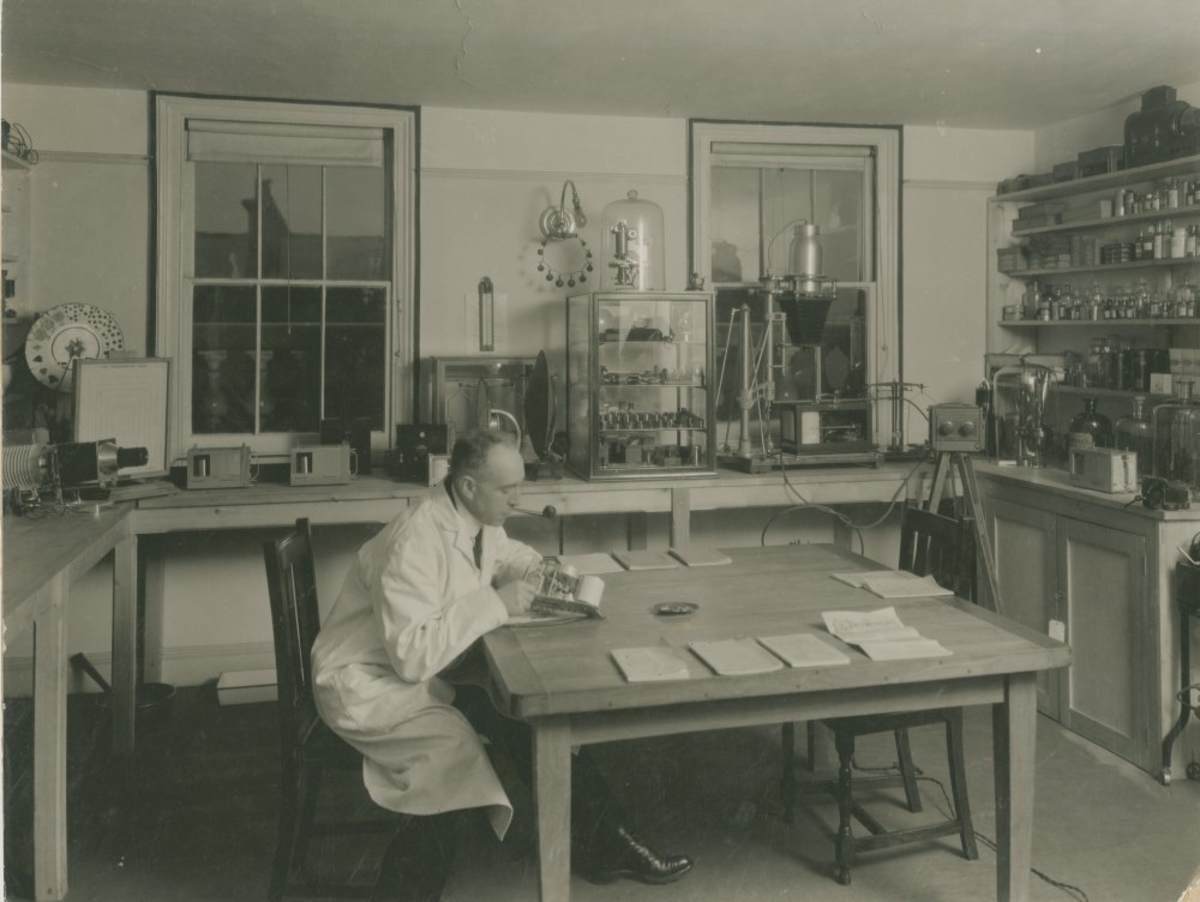
What if it meant gathering empirical evidence and publishing findings? Completing a thesis or dissertation and having it accepted in academic journals? Securing funding for structured, long-term research into anomalous experiences?
What if paranormal investigation was more than entertainment or storytelling—what if it became a pathway to strengthening critical thinking, scientific literacy, and research methodology, ultimately improving how investigations are conducted across the board?
How do we move forward from where we are today?
Progress in paranormal investigation depends on redefining what “progress” actually means. If the aim is to move beyond entertainment and toward more rigorous inquiry, the path forward requires structure, accountability, and shared standards.
First, there needs to be a clearer separation between entertainment and research. There is nothing wrong with ghost hunting as media or storytelling, but it should be clearly labelled as such. When the two are blended, public understanding becomes blurred, and serious inquiry is harder to distinguish from performance.
Second, methodology matters. If investigations are to claim evidential value, they require consistent protocols: repeatable procedures, proper documentation, environmental controls where possible, and transparent reporting of both positive and negative results. At present, the field often suffers from highly variable methods and selective reporting, if anything is recorded at all.
Third, collaboration beyond the paranormal community is essential. Psychologists, physicists, statisticians, historians, and engineers already possess tools that could significantly strengthen research design and interpretation. Even if the phenomena remain unresolved, the investigative process itself becomes more disciplined and credible through interdisciplinary input.
Fourth, there should be a stronger emphasis on publishing and peer review, even if initially through informal or niche platforms. The moment findings are written, scrutinised, and challenged, the quality of thinking improves. At present, much of the “evidence” circulates in closed loops—teams, social media, or television edits—without meaningful external critique, aside from self-appointed sceptics, or in some cases pseudo-sceptics who critique without offering constructive analysis or methodological improvement.
Finally, funding and educational pathways would help formalise the field. Small research grants, university partnerships, or independent study programs could encourage structured inquiry rather than ad hoc investigations driven primarily by content creation.
In short, moving forward means treating the question seriously even if the answers remain uncertain. The real shift isn’t about proving ghosts exist—it’s about raising the standard of how we ask the question in the first place.